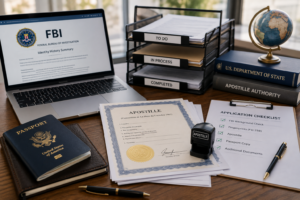
Digital nomad visas are now being offered by more than 60 countries, according to a recent global mobility research by MBO Partners. As a result, these visas have become increasingly popular, allowing remote employees, freelancers, and entrepreneurs to legally reside abroad while working for companies or clients based in another country.
In addition to proof of income, employment, and health insurance, most countries will also require an FBI background screening report. For most first-time applicants, meeting these documentation requirements goes way beyond obtaining an FBI report. Applicants may also be asked to submit authentication, translations or country-specific certifications.
This is where professional FBI background check apostille services can help ensure that your documents are prepared carefully, reducing the risk of delays and allowing you more time to focus on planning your move abroad.
Why Do Digital Nomad Visas Require an FBI Background Check?
Immigration authorities seek assurance that incoming remote workers don’t have a history of legal convictions that could pose a significant threat to their country. A federal background check issued by the FBI is an official record that covers an applicant’s history across all 50 U.S. states. This is entirely different from a local or state-level check, which covers only a single jurisdiction.
Countries that offer digital nomad programs treat this document as the foundation of trust, much as they’d screen any long-term visa applicant.
Those who overlook this step will often discover it late in the process after they’ve already completed other paperwork. Getting the background check done soon can help you avoid any last-minute delays.

Which Digital Nomad Visa Countries May Require an FBI Background Check?
Requirements differ by country. But most digital nomad visa programs will request a background check report from applicants:
Countries asking for it include:
- Portugal
- Spain
- Italy
- Croatia
- Malta
- Greece
- South Korea
- Costa Rica
- Romania
- Hungary
Since visa requirements vary by country, an FBI background check remains common for most U.S. applicants. For instance, applicants living in Minnesota applying for Portugal’s digital nomad visa might need to obtain an FBI background check. If the destination country needs this document to be authenticated for international use, it may also have to arrange for an apostille in Minnesota.
Confirming the exact documentation checklist with the receiving consulate can help applicants avoid delays from unauthenticated or missing paperwork. This is where professional apostille services can help. They handle fingerprinting, submission, and authentication all in one place, so applicants have one less thing to worry about.
Who Needs an FBI Background Check?
An FBI Identity History Summary might be required if you:
- Are a U.S. citizen applying for a digital nomad visa.
- Earlier resided in the U.S. for a period as specified by the destination country.
- Are requested by the immigration authority of the destination country to provide a U.S. background check.
Non-U.S. citizens who have previously lived in the U.S. might need an FBI background check depending on the destination country’s immigration policies. Once that report is ready, the next step is authenticating it for use in another country. This is where planning ahead and understanding the FBI apostille processing timeline becomes important to avoid delays or possible rejections.
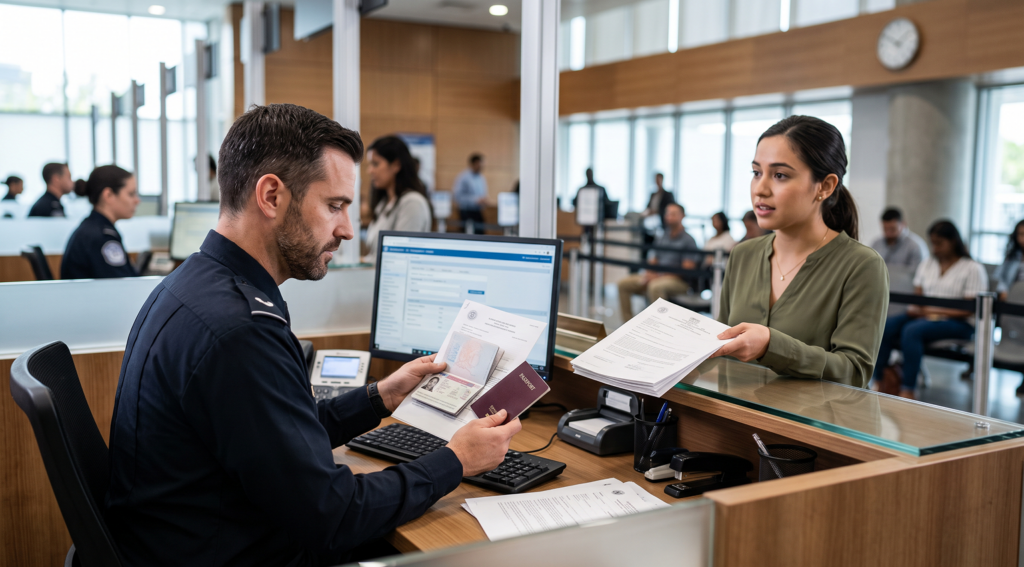
How to Obtain an FBI Background Check
Although the application process is simple, it involves careful attention to details such as:
Step 1: Submit Your Request
Applicants start by completing their request through the FBI’s approved online portal or by submitting a paper application by mail. Accuracy matters here since even a small error can delay the processing timeline or require a resubmission.
Step 2: Complete Fingerprinting
Besides your personal details, fingerprints are also the main requirement here. This process is a requisite for the FBI’s search of its legal records database. This step happens through any one of the following:
- Local law enforcement agencies
- Authorized fingerprint service providers
- FBI-approved channelers
Step 3: Pay the Processing Fee
A processing fee is also required during submission. This is payable through any one of the approved methods. Keeping this payment confirmation on file streamlines the tracking requests if required.
Step 4: Receive Your Results
The final FBI background check report will arrive electronically or by mail, depending on the delivery option you selected. It is important to review it carefully before entering the authentication or visa submission step.
Is an Apostille Required?
Authentication is often the most commonly overlooked step. Most countries will need an authenticated FBI background check document with an apostille before it is accepted for visa processing.
Apostille requirements can also change based on the visa category selected by applicants. This is why it is important to have a clear idea of the difference between an apostille for immigration and a work visa. Since countries often request various supporting documents for digital nomad visas, employment visas, or other immigration categories, confirming these requirements beforehand can help avoid delays.

How Recent Does an FBI Background Check Need to Be?
Although the FBI does not assign an expiration date to an Identity History Summary, instead, the immigration authority of the receiving country will decide how recent the document should be.
As consulates accept only recent reports, the difference between standard and expedited options will determine whether the reports’ issue dates fall within the accepted window, which includes:
- 90 days
- 180 days
- 6 months
If the report falls outside this window, then the applicant should request a new one before submitting their application.
So, preparing for a digital nomad visa involves careful coordination between your FBI background check, apostille authentication, and submission deadlines. Professionals such as Fast FBI Apostille will help applicants manage each step efficiently, reducing delays and keeping relocation plans on track.
However, the estimated timeline varies based on the service level you choose:
- FBI Background Check: 1 day to 2 weeks
- Standard Apostille Processing: 4 to 8 weeks
- Expedited Professional Services: Approximately 10 business days
- Overall Estimated Timeline: Around 2 to 10 weeks
Final Thoughts
Digital nomad visa programs show no signs of slowing down as remote work continues to reshape how professionals choose where to live. Governments will likely keep refining their documentation requirements as more applicants enter the process, making early preparation more valuable than ever for anyone planning a move abroad.
So, are you ready to simplify your FBI background check apostille process? Contact us today for fast, reliable document authentication so you can move abroad with confidence!
Frequently Asked Questions
Do all digital nomad visas require an FBI background check?
Not all programs demand it, but a large and growing number do, especially those in Europe and Latin America. Checking the specific consulate’s checklist confirms whether this document applies.
Is a state-level background check ever accepted instead?
Some countries accept a state check, but most digital nomad visa programs specifically require the federal FBI report, as it covers criminal records nationwide rather than for a single state.
What happens if the FBI report comes back with an error?
Applicants can file a challenge directly with the FBI to correct inaccurate information, though this adds processing time, which is another reason to start the process early.