Relocating to another country involves much more than planning the move itself. Gathering all the required paperwork, including passports, financial records, background checks, and country-specific forms, often takes more effort than planning the move.
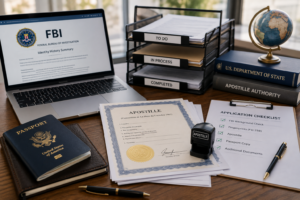
So, organizing everything into a single checklist document is the easiest way to avoid last-minute surprises. Also, some government-issued documents, such as an FBI background check, will need an official certification or an apostille before they are accepted by another country. This is where working with a professional FBI background check apostille service can help make the process easier and avoid errors. A clear checklist turns a tangle of relocation paperwork into a manageable, step-by-step process.
But first, let’s find out how a clear checklist can turn a tangle of relocation paperwork into a manageable process.
Different Relocation Paths Require Different Documents
Every international move follows its own rules based on its purpose. The relocation path chosen will often determine which documents need attention first:
- Work visa and employment-based relocations
- Marriage or family-based residency moves
- Retirement visa applications abroad
- Digital nomad and remote work visas
- Student visa transfers and enrollments
Therefore, identifying the relevant path sooner can help relocating citizens focus on which documents to request first, avoiding the need to gather paperwork that goes unused. Another vital consideration is confirming apostille requirements early to keep the entire relocation on schedule.

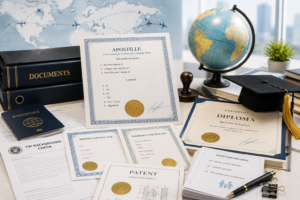
Not every document that you pack for the move will need certification. But, the ones that need an apostille before another government accepts them are:
- FBI background check (Identity History Summary)
- Birth certificate
- Marriage certificate or divorce decree
- Diplomas, degrees, and academic transcripts
- Power of attorney or corporate documents
Most state-issued documents, such as birth and marriage certificates, need a state-level apostille, so the process may look a bit different based on where the document originated.
For instance, a citizen born and raised in North Dakota would initially request a certified birth certificate from the state’s vital records office. In such cases, you need to apply for an apostille in North Dakota under the Secretary of State. This authentication process is typically managed by the state office instead of the federal government.
Your International Relocation Document Checklist
Now you can use the following checklist to ensure you have gathered and prepared everything before departure.
Identity Documents You Will Need First
The first document that remains common in every relocation is the proof of identity. These documents remain fundamental to nearly every visa or residency application you submit. Without them, your application will not be accepted for processing.

Identity documents you need:
- Valid U.S. passport copy
- Certified birth certificate copy
- Marriage certificate or divorce decree
- Social Security card verification
Worth noting: There is also a specific set of documents that need an apostille regardless of the country you’re headed to. Birth and marriage certificates top the list among these identity records. So, it’s important to confirm this requirement with your destination country before you travel.
Background and Legal Records
In addition to verifying your identity, most relocation applications require proof of a clean background record. More countries now require an FBI background check as they strengthen their visa screening process. They need assurance that applicants have no history of legal trouble before approving a visa or residency application.
What this record includes:
- FBI Identity History Summary check
- Fingerprint-based background verification
- State-level background check, if required
- Proof of no pending legal issues
Worth Noting: An FBI background check should have a valid apostille before it’s considered valid in most Hague Convention countries. This means you should apply for an apostille early instead of leaving it until the last minute.
Financial and Employment Documents
Another important document for most visa categories is proof that you can support yourself financially once you relocate. Immigration officers often use these records to confirm your application meets the destination country’s income or savings requirements.
Financial documents you need:
- Recent bank account statements
- Two to three years’ tax returns
- Employment verification or job offer letter
- Pension or retirement income statements
Worth noting: Financial documents typically do not require certification. But any documents that accompany a government-issued statement, such as a notarized income letter, might still require authentication based on the destination country’s requirements. Gathering financial paperwork can help keep the relocation realistic, as the FBI apostille processing timeline varies by category.

Medical and Educational Records
Some countries might also request medical exam results or vaccination records before approving a visa or residency application. In other countries, especially for work visas, a certified educational transcript or professional diplomas are required.
Records to prepare early:
- Vaccination and immunization records
- Recent medical exam summary
- Diplomas, degrees, or licenses
- Academic transcripts from your institution
Worth noting: You may require an apostille for documents such as diplomas and transcripts to make the work visa or professional international licensing process easier. Therefore, it’s important to confirm this requirement with your destination country sooner.
Requirements Vary by Country
Document requirements vary by country and can change with little notice. For instance, Portugal’s D7 visa and Mexico’s temporary residency process have different requirements. So, clear knowledge of the destination country’s current requirements can save a lot of time.
Also, every country has different rules about federal and state-level certification. A country that is a party to the Hague Apostille Convention will accept a single-step certification, while a non-member country may require additional legalization through an embassy or consulate. So, it’s important to confirm this early in the planning process to prevent back-and-forth once the documents are in hand.
Plan Around Processing Timelines
Document authentication is a time-consuming process. This underscores the importance of understanding this timeline to make the entire relocation process easier. A typical timeframe is:
- FBI Background Check: 1 day to 2 weeks
- Standard Apostille Processing: 4 to 8 weeks
- Expedited (Professional) Services: 10 business days

The whole process takes around 2 to 10 weeks, depending on the option you choose. Choosing the right one depends on your departure date and the flexibility in your relocation timeline. Also, applicants working with professional Apostille services, such as Fast FBI Apostille, who have a fixed move date, often choose expedited options to avoid last-minute stress.
Conclusion
International relocation requirements are constantly changing as more countries update their visa rules, digital nomad programs, and documentation requirements. Since every relocation comes with its own timeline, priorities, and pressures, document certification should never be the part that catches you off guard.
At Fast FBI Apostille, we make that step simple. We handle FBI background check apostilles for U.S. citizens across the country, and we’re here to help you stay on track, no matter when you’re planning to leave. Contact us today and let our team take document certification off your plate.
Frequently Asked Questions
Can I request an apostille from outside the United States?
Yes. Many providers accept fingerprint cards and background check requests submitted through international channelers, and then handle certification and shipping once the completed documents arrive.
What is the difference between an apostille and a notarized document?
Notarization confirms a signature is genuine, while an apostille certifies the document itself for international use. Many countries require both steps before accepting foreign paperwork.
Do I need original documents, or will certified copies work?
Certified copies usually satisfy the requirement, since most vital records offices only issue certified copies rather than handing out original documents for this exact purpose.